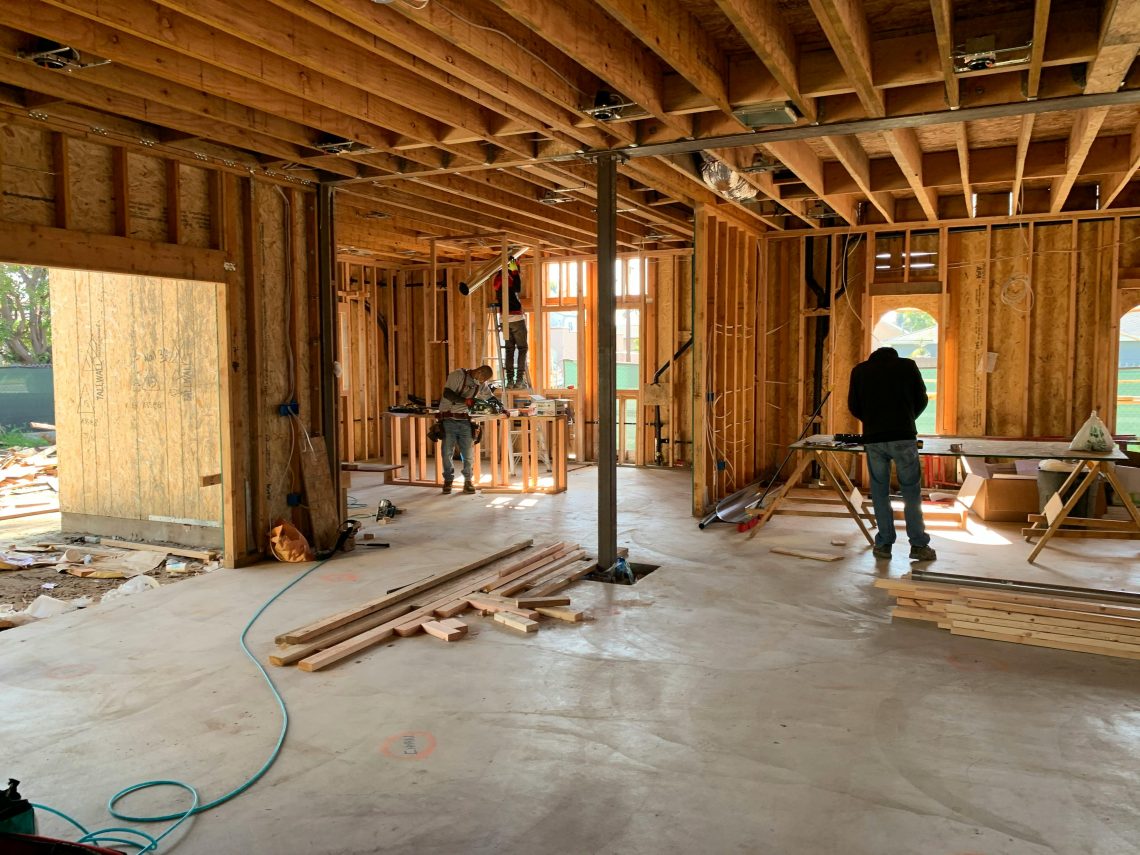
Building a home is one of the most exciting journeys a person can take. You have spent months picking out floor plans, choosing paint colors, and watching the walls go up. But as the builders pack up their tools and the moving trucks get ready to roll, you might notice something unexpected. Even though the house is brand new, it is incredibly dirty.
Construction creates a unique kind of mess. It isn’t just regular household dust. It is a mixture of sawdust, drywall powder, tiny bits of metal, and adhesive residue. This “post-construction” mess settles into every crack and crevice, from the inside of your kitchen drawers to the very top of your ceiling fans.
The big question every new homeowner faces is how to clean a new construction home efficiently. Should you grab a mop and do it yourself, or should you spend the extra money to hire a professional crew? In this guide, we will break down the pros and cons of each choice. We will also look at what a “post-con” cleaning actually involves so you can make the best decision for your time, your health, and your budget.
The Reality of Construction Dust
Before you decide how to handle the job, you need to understand the enemy. Construction dust is not like the dust that settles on your bookshelf at home. Drywall dust, for example, is made of very fine particles that are almost like a mist. When a worker sands a wall, that dust goes into the air and stays there for a long time. It gets sucked into the HVAC vents and coats the inside of the light fixtures.
If you don’t use the right tools when learning how to clean a new construction home, you might just end up spreading the dust around. Standard household vacuums often have filters that are too large to catch fine construction particles. This means the vacuum sucks the dust in through the nozzle and blows it right back out through the exhaust. Understanding the scale of this mess is the first step in deciding if you are up for the challenge.
Why You Might Want to DIY (Do It Yourself)
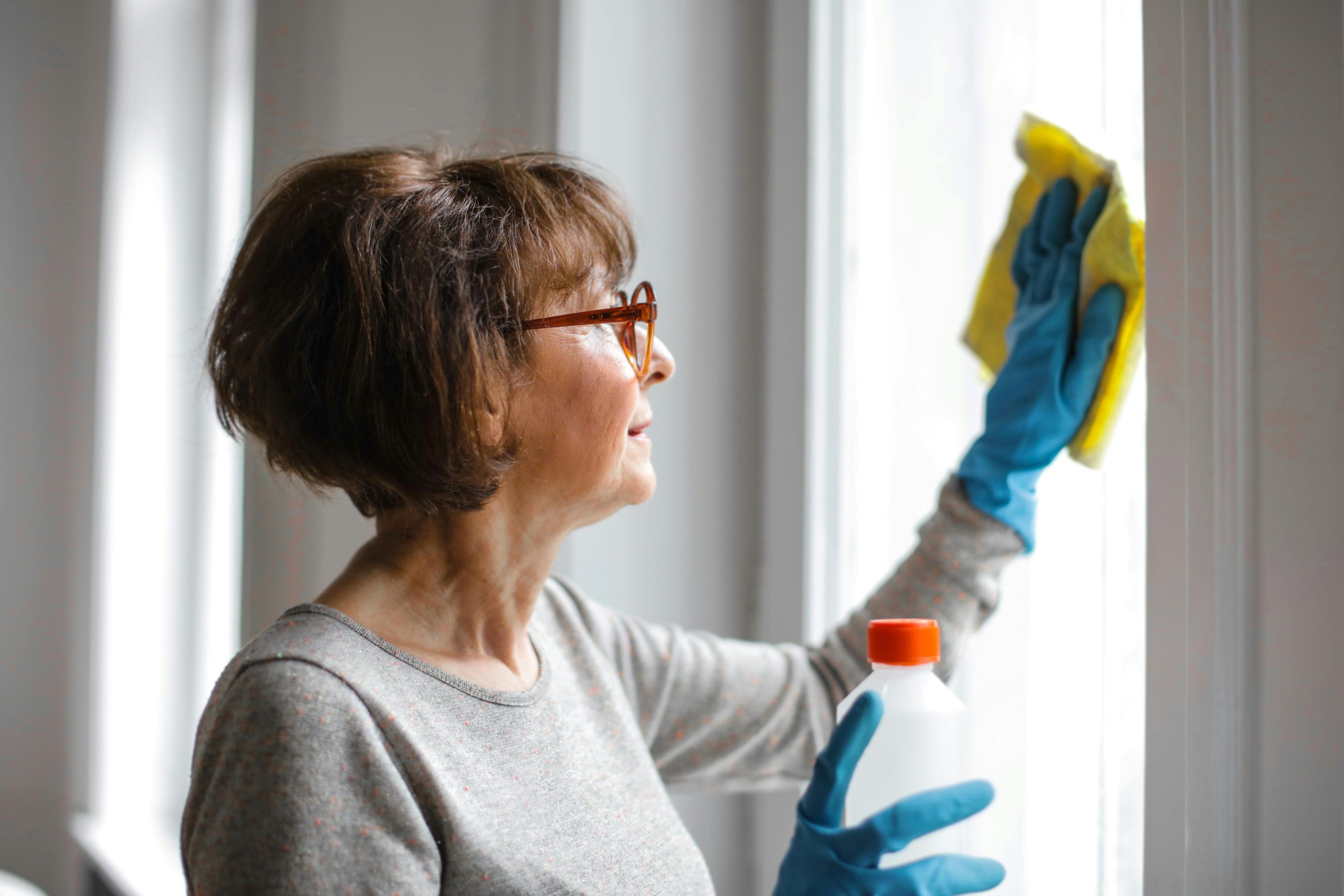
Many homeowners choose the DIY route because they have already spent a lot of money on the house and want to save where they can. If you are a fan of home improvement projects, cleaning the house yourself can be a rewarding way to “bond” with your new space.
- Saving Money: Professional construction cleaning crews can be expensive. Depending on the size of your home, you could save anywhere from $500 to $2,000 by doing the work yourself.
- The “Quality Control” Benefit: Cleaning is actually the best way to inspect your new home. When you are on your hands and knees scrubbing the baseboards, you will notice things the builder missed. You might find a scratch on the floor, a missing bit of caulk, or a cabinet door that doesn’t close right. Doing it yourself lets you create a “punch list” for the builder to fix.
- Control Over Products: If you have allergies or are sensitive to smells, DIY cleaning lets you choose exactly which products to use. You can stick to natural options like vinegar or castile soap.
Why You Might Want to Hire a Crew
On the other hand, hiring a professional crew is often worth every penny for people who are short on time or don’t have the heavy-duty equipment needed for a deep clean.
- Heavy-Duty Equipment: Professionals use “HEPA” vacuums. These are designed to trap the tiniest particles of drywall dust so they don’t go back into the air. They also have specialized scrapers and solvents that can remove paint overspray and window stickers without scratching the new glass.
- Time Savings: Cleaning a new construction home top-to-bottom can take an individual homeowner three or four full days of hard labor. A professional crew of four people can often finish the entire job in six to eight hours.
- Health and Safety: If you have asthma or respiratory issues, construction dust can be dangerous. Professionals wear the right masks and gear to protect themselves from breathing in harmful particles.
- The “Three-Stage” Clean: Most professionals don’t just clean once. They do a “rough clean” to get the big debris, a “deep clean” to get the surfaces, and a “final touch-up” a few days later after the remaining dust has settled out of the air.
The Mid-Point: A Hybrid Approach
You don’t have to choose just one or the other. Many savvy homeowners use a hybrid approach. You might hire a pro to do the “Stage 1” rough clean and the heavy vacuuming of the vents. Then, once the heavy lifting is done, you can come in and do the “Stage 2” detail cleaning of the cabinets and floors. This saves you some money but ensures the most dangerous dust is handled by experts.
What “How to Clean a New Construction Home” Actually Looks Like
If you decide to take on the job yourself, you need a plan. You cannot just start at the front door and work your way back. You have to follow the “Rule of Gravity.” This means you always start at the highest point of the room and work your way down. If you clean the floors first and then wipe the ceiling fans, all that dust will just fall back onto your clean floors.
Step 1: The Air and the Vents
Before you touch a surface, check your HVAC filters. Builders often run the heat or AC during construction, which means your brand-new vents are likely full of sawdust. Change the filters immediately. Use a vacuum with a long hose to reach as far into the vents as possible.
Step 2: High Surfaces and Walls
Wipe down the tops of door frames, the tops of window casings, and the ceiling fans. Don’t forget the walls! New walls are often covered in a thin layer of drywall dust. Use a dry microfiber mop to “sweep” the walls from top to bottom.
Step 3: Windows and Glass
New windows usually come with stickers and “protective” films. These are notorious for leaving sticky glue behind. You will need a specialized adhesive remover and a gentle touch. Use a microfiber cloth and a glass cleaner that doesn’t leave streaks.
Step 4: Cabinets and Drawers
This is the most tedious part. Open every single drawer and cabinet. Vacuum the inside corners, then wipe them down with a damp cloth. Builders often leave sawdust behind the drawers, so pull the drawers all the way out if you can to get to the space behind them.
Step 5: The Floors
Floors are the final stage. If you have hardwood, be very careful. You must remove all the grit and sand before you start mopping. If you don’t, you will essentially be “sanding” your new floors with the dirt. Use a soft-bristle vacuum or a dust mop first, then follow up with a damp (not wet) mop.
Essential Tools for the Job
If you are going the DIY route, you will need more than just a bucket and a rag. Here is what you should have in your toolkit:
- A HEPA Vacuum: This is the most important tool. If you don’t own one, you can usually rent a commercial-grade shop vac with a HEPA filter from a home improvement store.
- Microfiber Everything: Microfiber cloths are designed to trap dust rather than just moving it around. Buy them in bulk—you will go through dozens of them.
- A Plastic Putty Knife: This is great for gently popping off dried bits of drywall mud or paint from the floor without scratching the surface.
- A Step Ladder: You will need this to reach the tops of the cabinets and the light fixtures.
- Quality Respirators: Don’t use cheap paper masks. Get a high-quality N95 mask to ensure you aren’t breathing in the fine powder.
When the Answer is Always “Hire a Crew”
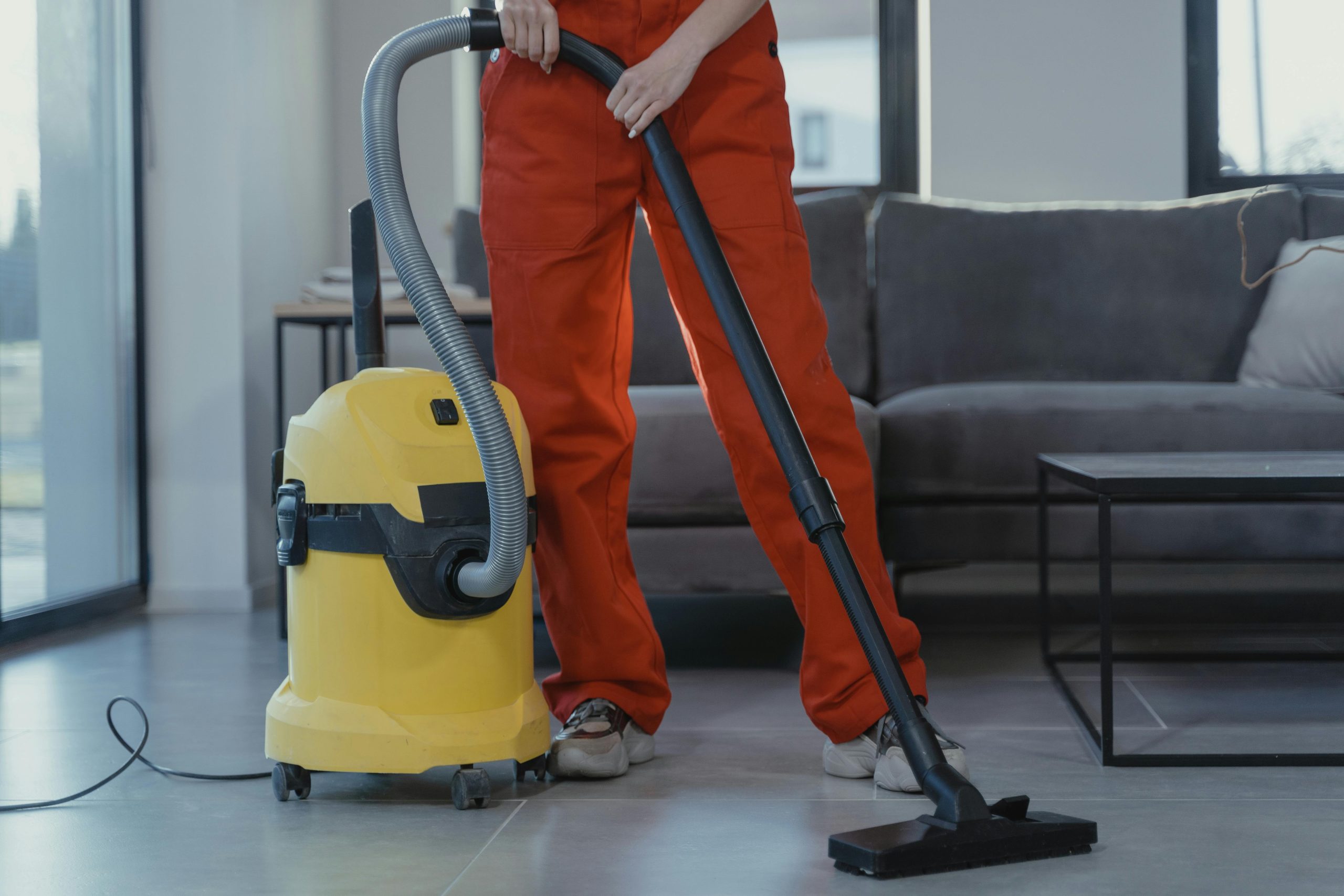
There are certain situations where we always recommend hiring a professional crew. If your home is larger than 3,500 square feet, the physical toll on one person is simply too high. If you are moving in the very next day, you won’t have the time to do a thorough job. Finally, if you have a high-end home with very sensitive materials—like unsealed marble or exotic woods—the risk of using the wrong cleaner and causing thousands of dollars in damage is too great.
Conclusion
Knowing how to clean a new construction home is a vital part of the home improvement process. It is the final bridge between a “construction site” and a “home.” Whether you decide to roll up your sleeves and save some money or bring in a team of experts to handle the heavy lifting, the goal is the same: a safe, sparkling, and healthy environment for your family.
The choice between DIY and a professional crew depends on your budget, your physical health, and how much time you have before the move-in date. If you do it yourself, follow the top-down rule and use a HEPA vacuum. If you hire a crew, make sure they specialize in “post-construction” cleaning specifically, as it is much different than a standard house cleaning.