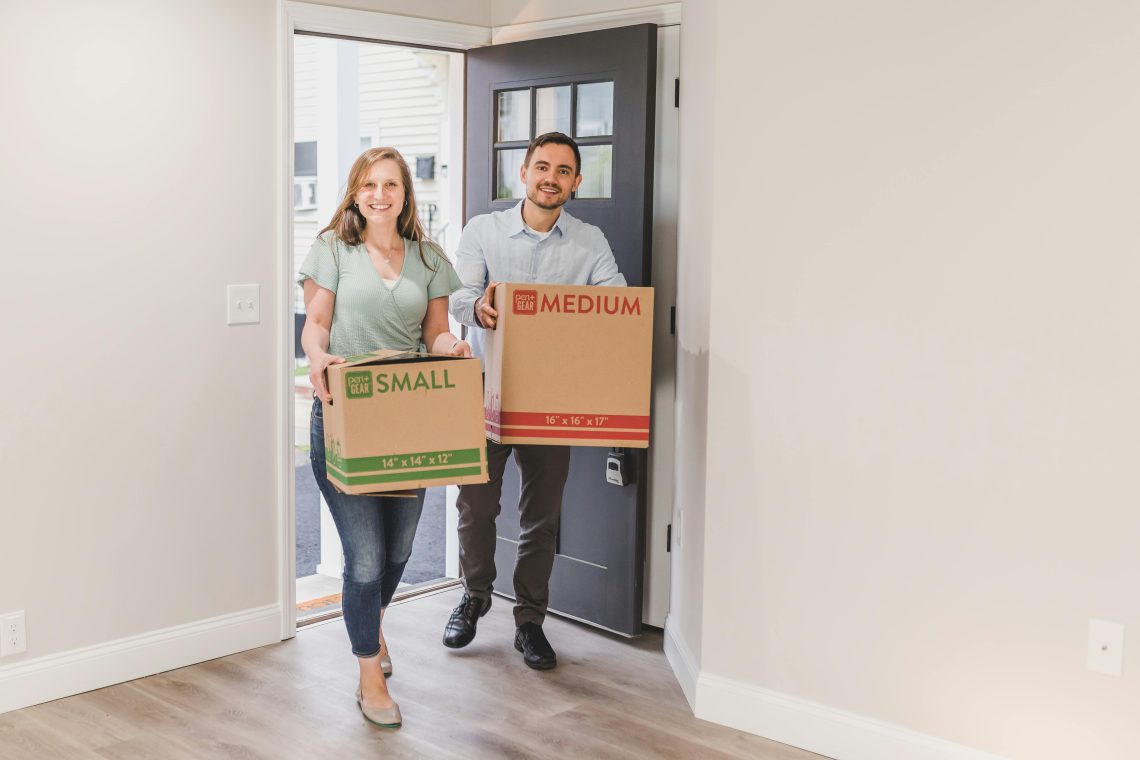
Getting the keys to a new home is one of the best feelings in the world. Whether you just bought your first house or you are moving into a new rental, that moment you walk through the front door marks a brand-new chapter in your life. But once the excitement of the “For Sale” sign coming down wears off, you might notice that the previous owners left a few things behind—namely, their dirt, dust, and grime.
Even if a house looks clean at first glance, there is a big difference between “surface clean” and “move-in clean.” When a house is empty, you have a rare opportunity. You can reach every corner, every baseboard, and every closet without having to move a single piece of furniture. This is the only time you will ever have a completely blank canvas to work with.
Cleaning a house before moving in is about more than just making it look pretty. It is about sanitizing the space, removing allergens, and making the home truly feel like yours. In this guide, we will walk you through the ultimate “fresh start” cleaning plan. We will cover the tools you need, the best order to work in, and the “hidden” spots that most people forget to scrub.
Why You Should Clean While the House is Empty
You might be tempted to wait until the moving trucks arrive to start cleaning, but that is a mistake. Once your boxes are stacked in the corners and your sofa is against the wall, those spaces become much harder to reach. While the process is similar to how to clean a new construction home, a pre-owned house requires a focus on sanitizing the living history of the previous family.
- Efficiency: It is much faster to mop a floor when there are no chairs to move. It is easier to wipe out a pantry when there are no cans of soup in the way.
- Health: Previous owners may have had pets or habits that left behind dander and odors. Cleaning before you move your clothes and bedding into the house prevents those smells from soaking into your own belongings.
- Peace of Mind: There is a psychological benefit to knowing that the bathtub you are using has been scrubbed by your own hands. It turns a “used” house into a “new” home.
Phase 1: The Supplies You Will Need
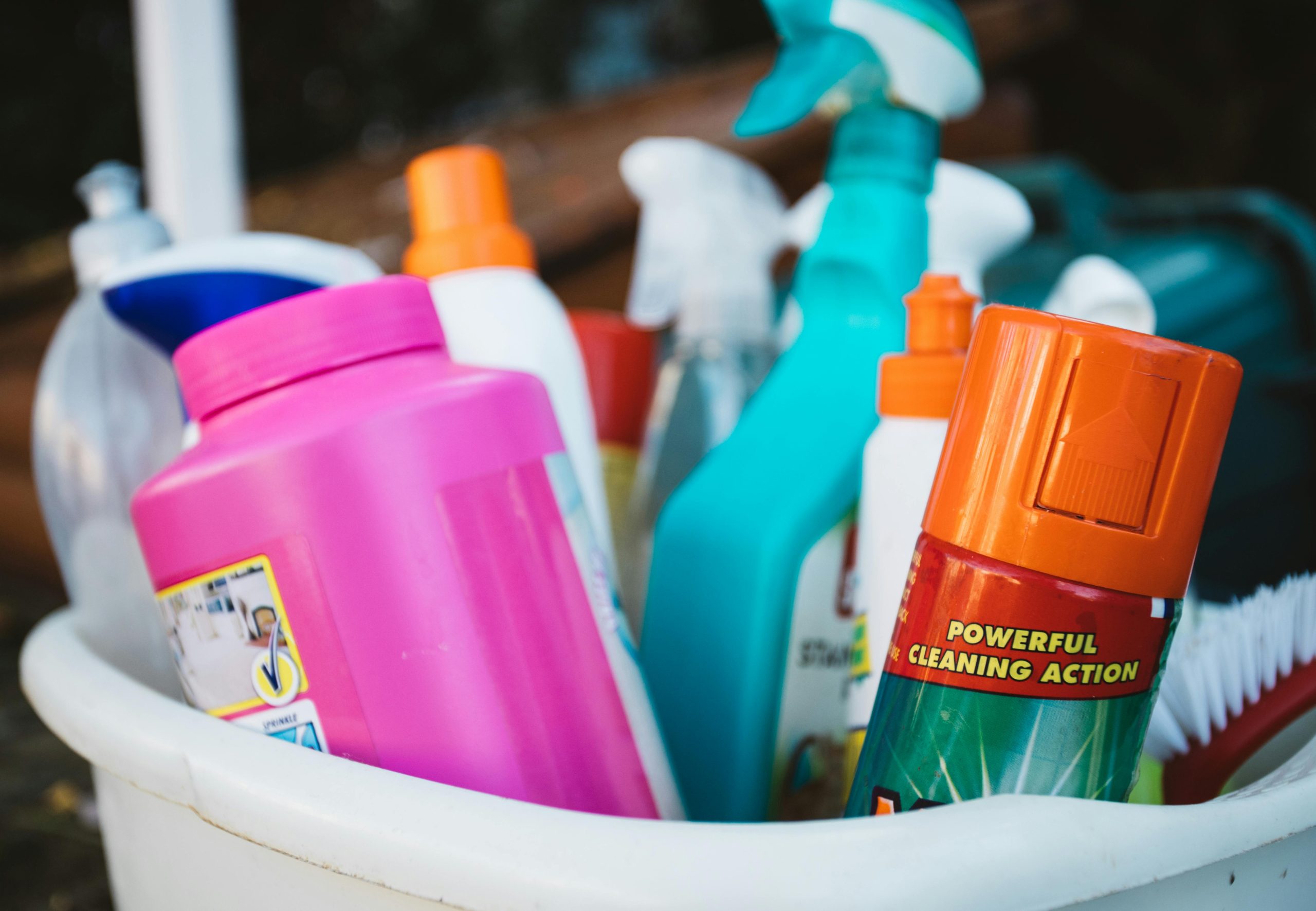
Before you head to the new house, make sure you have a “cleaning kit” ready to go. You don’t want to realize you’re out of paper towels when you are halfway through a big job.
- Vacuum with Attachments: You need a hose to get into the tracks of the windows and the corners of the closets.
- Microfiber Cloths: These are better than paper towels because they grab dust instead of just pushing it around.
- All-Purpose Cleaner: Look for something that works on multiple surfaces like counters, walls, and plastic.
- Glass Cleaner: For windows and mirrors.
- Degreaser: Essential for the kitchen, where old cooking oils often coat the tops of cabinets.
- Disinfectant: To kill germs on high-touch areas like doorknobs and toilet handles.
- Mop and Bucket: For the final stage of the floor cleaning.
- Old Toothbrush: Perfect for scrubbing grout or the small crevices around faucets.
Phase 2: The “Top-Down” Strategy
The golden rule of cleaning a house before moving in is to start at the top and work your way down. This is called the “Gravity Rule.” If you clean the floors first and then wipe the ceiling fans, all the dust from the fans will fall right onto your clean floor, forcing you to do the work twice.
The Ceilings and Walls
Start by looking up. Use a long-handled duster to remove cobwebs from the corners of the ceiling. Wipe down ceiling fans and light fixtures. Next, look at the walls. You might not think walls need cleaning, but they often have “ghost marks” where pictures used to hang or dust along the baseboards. Use a damp microfiber cloth to wipe down any smudges or scuffs.
The Windows
Clean the glass, but don’t stop there. Open the windows and look at the tracks. These are often full of dead bugs, dirt, and grit. Use your vacuum hose to suck out the big pieces, then use a damp cloth to wipe the tracks clean. This makes the windows easier to open and close.
Phase 3: The Kitchen Deep-Dive
The kitchen is usually the room that requires the most work. Even if the previous owners “cleaned,” they likely didn’t clean the parts you can’t see.
- Inside the Cabinets: Vacuum out the crumbs and then wipe down every shelf. Don’t forget the “shelf pins” and the corners where spiders like to hide.
- The Top of the Cabinets: If your cabinets don’t go all the way to the ceiling, the tops are likely covered in a thick, sticky layer of dust and grease. Use a degreaser to break this down. Once it is clean, some homeowners like to lay down wax paper on top so that next year they can just swap the paper out.
- The Appliances: If the fridge and stove came with the house, pull them out from the wall. You will likely find a “treasure trove” of old crumbs, dust bunnies, and maybe a lost spoon. Clean the floor behind the appliances and wipe down the sides of the machines before sliding them back.
- The Sink: Use a disinfecting cleaner on the sink and the faucet. If the water tastes or smells a bit “off,” it might be time to replace the water filter in the fridge or add a filter to the kitchen tap.
Phase 4: Sanitizing the Bathrooms
In the bathroom, the focus shifts from “dusting” to “sanitizing.” You want to kill any bacteria left behind by the previous residents.
- The Toilet: This is a top priority. Clean it inside and out, including the base and the area behind the tank. Many people choose to buy a brand-new toilet seat when cleaning a house before moving in—it is a cheap way to make the bathroom feel much more “yours.”
- The Shower and Tub: Look for soap scum or mildew in the corners. Use a bathroom-specific cleaner that can break down mineral deposits. If the showerhead looks clogged with white crust, tie a bag of vinegar around it and let it soak for an hour to clear the holes.
- The Vanity: Just like the kitchen, empty the drawers and wipe them out. Check under the sink for any signs of leaks or water damage that you might need to tell a plumber about.
Phase 5: The “Hidden” Spots
There are several places that people almost always forget during a move-in clean. If you hit these spots, your home will feel truly professional-grade clean.
- Light Switches and Door Handles: These are the germiest spots in the house. Wipe them all down with a disinfectant.
- Inside the Dishwasher: Run an empty cycle with a dishwasher cleaner or a bowl of vinegar to remove old food smells and hard water buildup.
- The Closet Rods: People hang their clothes here every day, yet the rods are rarely wiped.
- Air Vents: Take the covers off the floor or ceiling vents and vacuum inside as far as you can reach. Replace the HVAC filter immediately so you aren’t blowing the old owner’s dust around your new home.
Phase 6: The Final Floor Clean
The very last thing you do is the floors. Since you have been walking around and knocking dust down from the ceilings, the floors will be a mess.
- Hardwood and Tile: Sweep or vacuum first to get the grit up. Then, mop using a cleaner that is safe for your specific floor type. Remember, for hardwood, you want a “damp” mop, not a “sopping wet” one.
- Carpet: If the house has carpet, the best home improvement move you can make is to rent a professional carpet cleaner or hire a service. Vacuums only get the surface dirt; a steam cleaner gets the deep-down allergens and odors that can hide in the carpet pad.
When to DIY and When to Hire a Pro
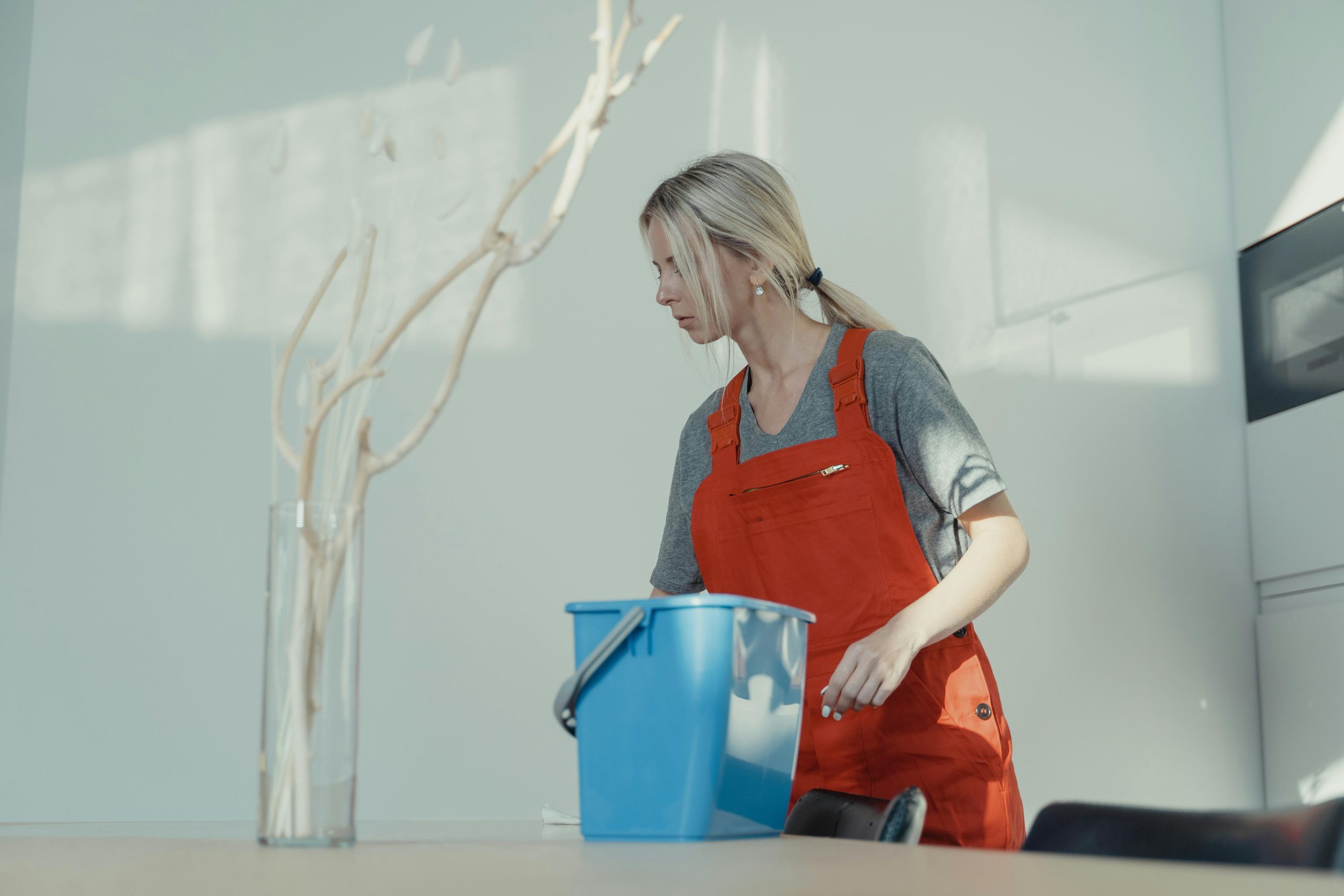
Cleaning a house before moving in is a lot of work. If you are also busy packing boxes and dealing with paperwork, you might feel overwhelmed.
- DIY if: You have a tight budget, you have a few days of “overlap” before you have to move in, and you enjoy the satisfaction of seeing the transformation yourself.
- Hire a Pro if: The house is very large, you are moving from out of state and won’t arrive until the moving truck does, or the previous owners were smokers or had many pets. Professional cleaners have high-powered ozone machines and industrial scrubbers that can handle “heavy-duty” odors and stains.
Conclusion
A new home is a fresh start, and there is no better way to begin that journey than with a sparkling clean space. By following the top-down strategy and focusing on the kitchen, bathrooms, and hidden dust spots, you ensure that your first night in your new home is comfortable and healthy.
It takes effort, and you will likely be tired by the end of the day, but the first time you sit on your clean floor or take a bath in a scrubbed tub, you will know it was worth it. Taking the time for cleaning a house before moving in is the ultimate gift you can give your future self. It turns a building made of wood and brick into a personal sanctuary that belongs entirely to you.