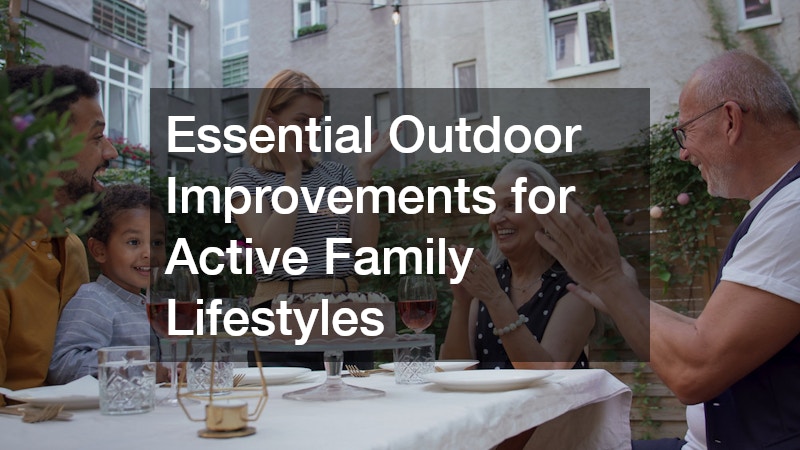
For families who enjoy spending time outside, the backyard often becomes an extension of the home. It is where kids play, parents relax, and everyone gathers for meals, celebrations, and everyday moments. A well-designed outdoor space can support a more active lifestyle while also making daily routines easier and safer.
The key is to approach outdoor improvements with intention. Instead of focusing solely on appearance, consider how each feature will function for your family over time. From safer walkways to flexible play areas, thoughtful upgrades can make a noticeable difference in how often and how comfortably your family uses the space.
This guide breaks down practical ways to improve your outdoor areas so they work better for busy households. Each section focuses on real solutions you can apply, whether you are planning a full renovation or making gradual upgrades.
Plan a Yard Layout That Supports Daily Family Activity
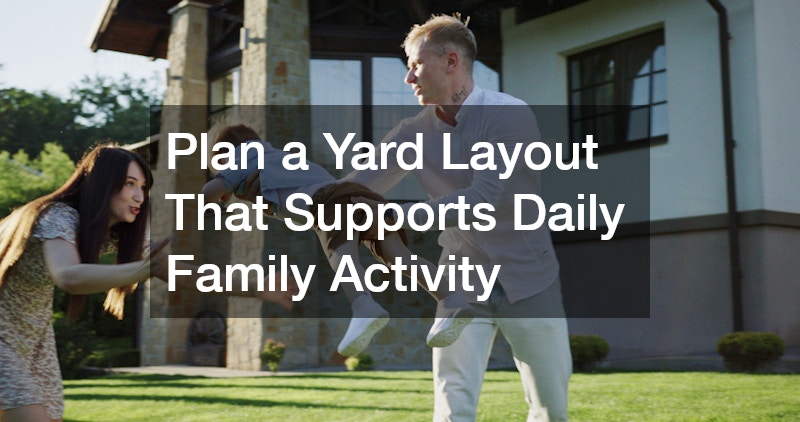
Creating a functional outdoor space starts with a clear plan. Without a layout that supports how your family actually lives, even the nicest upgrades can fall short.
Begin by observing how your yard is currently used. Pay attention to where kids naturally play, where people tend to gather, and which areas go unused. This will help you identify opportunities for improvement.
Map Out Activity Zones
Dividing your yard into purposeful zones can help you balance activity and relaxation. Consider including:
- A play area for kids with open space for running or games
- A seating area for adults to relax or supervise
- A dining or grilling space for meals
- Storage areas for tools and equipment
Keep these zones connected with clear pathways so movement between them feels natural.
Address Problem Areas Early
Uneven ground, poor drainage, or damaged soil can limit how usable your yard is. In these cases, working with a revegetation specialist can help restore the land so it supports healthy growth and safe footing. This is especially important if parts of your yard feel muddy, patchy, or unstable.
Manage Trees for Safety and Space
Trees can add shade and beauty, but they can also pose hazards if not maintained. Hiring tree services can help remove dead branches, reshape overgrown areas, and improve visibility across your yard.
Proper tree placement and maintenance can:
- Reduce the risk of falling limbs
- Allow more sunlight into play areas
- Improve airflow and comfort
- Make supervision easier for parents
Keep Visibility in Mind
One of the most important elements for active families is clear sightlines. Parents should be able to see children from multiple areas of the yard. Avoid placing large structures or dense plantings where they block visibility.
Quick Planning Tips
- Walk your yard and sketch a simple layout before making changes
- Prioritize open space for flexibility
- Keep frequently used areas close to the house
- Plan for future needs as your children grow
A thoughtful layout creates the foundation for every other improvement you make. It ensures your outdoor space works with your lifestyle instead of against it.
Choose Durable Ground Covers That Reduce Maintenance
The surfaces in your yard play a major role in both safety and upkeep. Families need materials that can handle heavy use without constant repairs or maintenance.
Consider High Traffic Areas First
Start by identifying the parts of your yard that see the most activity. These may include:
- Play zones
- Pathways between the house and yard
- Areas around seating or dining spaces
These spots benefit most from durable, low-maintenance materials.
Explore Long-Lasting Surface Options
Artificial turf installations are becoming a popular choice for families because they provide a clean, even surface that holds up well under heavy use. They also reduce the need for watering, mowing, and fertilizing.
Benefits include:
- Consistent appearance throughout the year
- No muddy patches after rain
- Soft surface for play
- Reduced allergens compared to natural grass
This can be especially useful for families with pets or children who spend a lot of time outdoors.
Add Color Without Extra Work
While durability matters, appearance still plays a role in creating an inviting space. Adding annual flowers is a simple way to bring color into your yard without committing to long-term plant care.
You can place them in:
- Garden beds near seating areas
- Containers on patios or decks
- Borders along walkways
Because they are seasonal, you can refresh your yard’s look each year without much effort.
Balance Comfort and Practicality
When choosing ground covers, consider how they feel underfoot and how they perform over time. Families benefit from surfaces that are:
- Soft enough for children to play on
- Stable enough to prevent slipping
- Easy to clean and maintain
Tips for Smarter Ground Cover Choices
- Use durable materials in high-traffic zones
- Combine soft and hard surfaces for variety
- Avoid materials that become slippery when wet
- Choose options that match your climate and usage
By selecting the right ground covers, you can reduce maintenance demands while creating a space that is safe and comfortable for daily use.
Improve Walkways and Driveways for Safety and Function
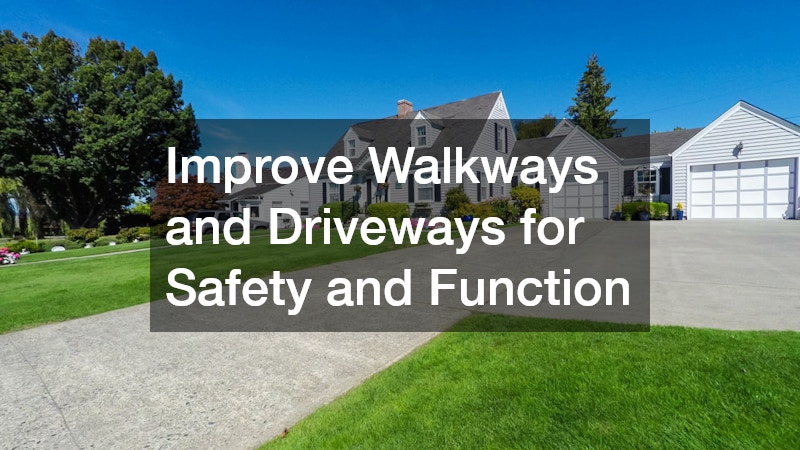
Walkways and driveways are often overlooked, yet they are among the most frequently used parts of any outdoor space. For active families, these areas need to be safe, durable, and easy to navigate.
Fix Common Hazards
Cracks, uneven surfaces, and poor drainage can quickly become safety risks. Children running or riding bikes are especially vulnerable to trips and falls in these areas.
Look for signs like:
- Pooled water after rain
- Shifting or sinking sections
- Loose gravel or broken edges
Addressing these issues early can prevent accidents and more costly repairs later.
Invest in Long-Term Solutions
When repairs are no longer enough, it may be time to bring in an asphalt paving company to resurface or replace worn areas. A properly installed driveway or pathway can last for years and provide a smooth, reliable surface for daily use.
Create Clear and Logical Pathways
Walkways should guide movement naturally between key areas of your yard. Make sure paths:
- Connect the house to play and seating zones
- They are wide enough for multiple people
- Have gentle curves or straight lines that feel intuitive
Add Visual Features for Structure
Simple additions like flagpole installations can serve as visual anchors that help define space and create a sense of structure in your yard. These features can also become focal points for gatherings or seasonal decorations.
Improve Visibility at Night
Lighting plays a big role in safety. Make sure walkways and driveways are easy to see after dark by adding:
- Path lights along edges
- Motion sensor lights near entrances
- Soft lighting around gathering areas
Practical Tips for Safer Surfaces
- Choose materials that provide good traction
- Keep pathways clear of clutter and debris
- Repair small issues before they spread
- Consider drainage when planning new installations
Well-designed walkways and driveways make your outdoor space easier to use every day. They support playtime and entertainment while helping prevent unnecessary injuries.
Build a Backyard Water Area the Whole Family Can Enjoy
Adding a water feature can turn a backyard into a central gathering place for the whole family. For many households, a pool becomes the highlight of outdoor living, offering both recreation and a way to cool off during warmer months.
Decide What Fits Your Lifestyle
Before starting any project, consider how often your family will use the pool and which features matter most. Consider:
- The ages of your children
- How much time can you dedicate to upkeep
- Your available space and budget
- Whether you plan to entertain guests frequently
These factors will help shape the type and size of the pool that makes the most sense.
Work With Experienced Professionals
An inground pool builder can help design a setup that fits your yard while keeping safety and usability in mind. They can also guide you through local regulations, permits, and proper installation methods.
Important design considerations include:
- Shallow areas for younger children
- Non-slip surfaces around the pool
- Fencing or barriers for added safety
- Easy access points, such as steps or ladders
Focus on Safety First
For families, safety should always come before aesthetics. Set clear rules and reinforce them consistently.
Helpful safety practices include:
- Installing self-closing gates
- Keeping rescue equipment nearby
- Teaching children basic water safety skills
- Supervising all swimming activities
Keep Maintenance Simple
Having the right swimming pool supplies on hand makes it easier to maintain clean and safe water. This includes tools for cleaning, water-testing kits, and proper storage of chemicals.
A simple maintenance routine might include:
- Skimming debris daily
- Checking water levels and clarity
- Cleaning filters regularly
- Testing water balance weekly
Make It Comfortable for Everyone
To get the most out of your pool area, add features that encourage relaxation and convenience:
- Seating or lounge areas nearby
- Shaded spots for breaks from the sun
- Storage for towels and accessories
A well-planned water area can provide years of enjoyment while supporting an active lifestyle for the entire family.
Keep Outdoor Spaces Safe From Pests and Structural Damage
A safe yard is not just about layout and materials. Ongoing maintenance is essential to protect your home and outdoor structures from pests and environmental damage.
Watch for Early Warning Signs
Pest problems often start small but can quickly grow if left unchecked. Pay attention to signs such as:
- Small holes or sawdust near wooden structures
- Unusual insect activity around decks or fences
- Soft or damaged wood
Catching these issues early can save time and money.
Protect Wooden Structures
Decks, fences, and outdoor furniture are especially vulnerable to damage. Carpenter ant control is important because these pests can weaken wood from the inside, leading to costly repairs.
To reduce risk:
- Keep wood surfaces dry and well-sealed
- Avoid stacking firewood close to the house
- Inspect structures regularly for damage
Maintain Trees to Prevent Hazards
Healthy trees are an asset, but neglected ones can become dangerous. Regular tree care helps prevent falling branches, disease, and pest infestations that can spread to other parts of your yard.
Key maintenance steps include:
- Pruning dead or weak branches
- Monitoring for signs of disease
- Ensuring proper spacing between trees and structures
Choose Safe Prevention Methods
Families often prefer pest control methods that are effective but safe for children and pets. Options may include:
- Natural deterrents
- Physical barriers
- Professional treatments designed for residential use
Know When to Call for Help
While some tasks can be handled on your own, others require professional attention. Consider expert help when:
- Infestations are widespread
- Structural damage is visible
- Tree issues involve large branches or height
Simple Maintenance Checklist
- Inspect outdoor areas monthly
- Keep landscaping trimmed and tidy
- Address moisture issues quickly
- Schedule seasonal maintenance as needed
By staying proactive, you can protect your outdoor space and ensure it remains a safe place for your family to enjoy.
Design Shaded Areas for Comfort and Protection
Spending time outdoors is easier when there is relief from direct sunlight. Shade plays a major role in keeping your yard comfortable, especially for families with young children.
Understand the Importance of Shade
Too much sun exposure can lead to discomfort, fatigue, and even health concerns. Shaded areas allow your family to:
- Stay outside longer without overheating
- Take breaks during active play
- Protect skin from excessive sun exposure
Explore Different Shade Options
There are several ways to add shade to your yard, depending on your space and budget:
- Pergolas for partial coverage with an open feel
- Umbrellas for flexible, movable shade
- Covered patios for full protection
- Natural shade from strategically placed trees
Place Shade Where It Matters Most
Focus on areas that see the most use, such as:
- Play zones
- Seating areas
- Dining spaces
This ensures your family can stay comfortable during everyday activities.
Combine Function With Style
Shade structures can also enhance the look of your yard. Choose materials and designs that complement your home while still serving a practical purpose.
Tips for Better Shade Planning
- Position shade to account for the sun’s movement
- Use a mix of permanent and movable options
- Ensure structures are sturdy and weather resistant
- Keep airflow in mind to avoid trapping heat
Adding shade is a simple improvement that makes a big difference in how often your family uses the outdoor space.
Build Versatile Spaces for Every Stage of Family Life
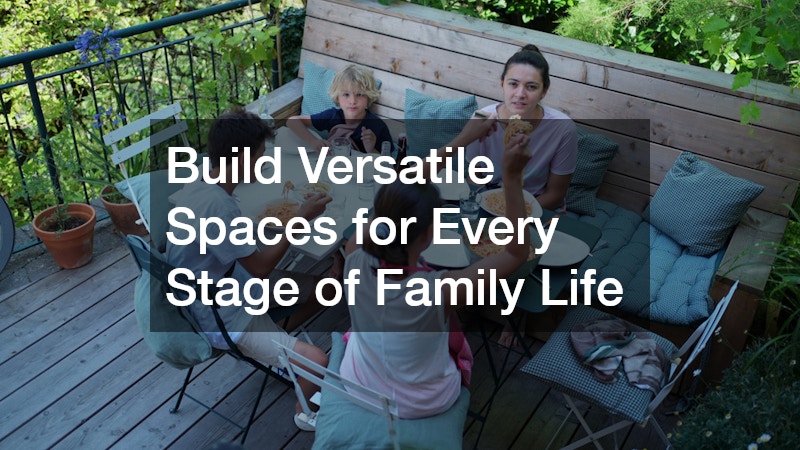
Families change over time, and your outdoor space should be able to adapt. Designing flexible areas allows your yard to meet your needs now and in the future.
Think Beyond Single-Purpose Areas
Instead of dedicating each space to one activity, look for ways to combine functions. For example:
- A patio that works for both dining and relaxing
- A lawn area that supports games and gatherings
- A deck that doubles as a play and seating zone
Plan for Changing Needs
What works for young children may not suit teenagers or adults later on. Keep this in mind when making decisions about layout and features.
Use Flexible Furniture and Features
Choose items that can be easily moved or repurposed, such as:
- Lightweight seating
- Foldable tables
- Modular storage units
This allows you to adjust the space as needed.
Keep Storage Organized
An active family often means a lot of equipment. Having dedicated storage helps keep your yard tidy and functional.
Consider storing:
- Sports gear
- Outdoor toys
- Gardening tools
Budget-Friendly Upgrade Ideas
You do not need to complete everything at once. Focus on improvements that offer the most value first, then build from there.
Practical Tips for Multi-Use Design
- Leave open space for flexibility
- Avoid permanent features that limit options
- Choose durable materials that can handle different uses
- Reevaluate your setup each year
A flexible outdoor space ensures your yard continues to support your family as your needs evolve.
Add Lighting That Extends Safe Outdoor Use
Good lighting can completely change how and when your family uses the backyard. Without it, outdoor time often ends at sunset. With the right setup, your space can stay active and safe well into the evening.
Focus on Safety First
Lighting helps prevent accidents by making walkways, steps, and transitions between surfaces easier to see. This is especially important for children who may still be running or playing as it gets darker.
Key areas to prioritize include:
- Paths between the house and yard
- Steps, slopes, and elevation changes
- Entry points such as doors and gates
Layer Different Types of Lighting
A combination of lighting styles creates a more functional and comfortable space. Consider layering:
- Path lights to guide movement
- Overhead lights for gathering areas
- Accent lights to highlight features
- Motion sensor lights for added security
Choose Energy Efficient Options
Outdoor lighting does not have to significantly increase your energy bills. Many families choose:
- Solar-powered lights for pathways
- LED fixtures for long-term efficiency
- Timers to control when lights turn on and off
These options reduce maintenance while still providing reliable illumination.
Make It Comfortable, Not Harsh
Lighting should enhance the space without feeling too bright or overwhelming. Aim for a balance that allows visibility while maintaining a relaxed atmosphere.
Simple Lighting Tips
- Space lights evenly to avoid dark spots
- Angle lights downward to reduce glare
- Check fixtures regularly to ensure they are working
- Replace bulbs as needed to maintain consistency
With the right lighting, your backyard becomes a place your family can enjoy at any time of day, not just during daylight hours.
Designing a Backyard That Grows With Your Family
Creating an outdoor space that supports an active family lifestyle takes planning, effort, and thoughtful decisions. By focusing on safety, functionality, and long-term value, you can build an environment that encourages more time outside and makes everyday life easier.
Even small changes can make a noticeable difference. Whether you start with improving layout, adding lighting, or upgrading surfaces, each step brings you closer to a space your family can truly enjoy.
The goal is not perfection but usability. When your yard works for your family’s needs, it becomes a place where memories are made, routines feel smoother, and time together feels more natural.