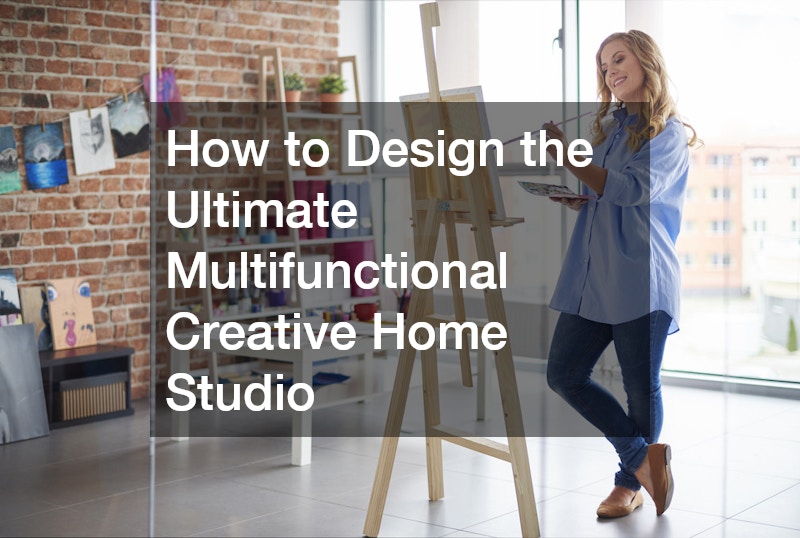
The concept of the home office has undergone a radical transformation. No longer are we satisfied with shoving a generic desk into the corner of a guest bedroom and calling it a day. Today’s homeowners are looking for spaces that accommodate multiple dimensions of their lives, blending professional productivity with deep creative outlets. Whether you are an entrepreneur running a side business, a dedicated crafter, a digital designer, or someone who simply needs a sanctuary to think and build, a generic workspace just won’t cut it. You need a space designed for fluid transition.
Creating a high-end, multifunctional creative studio requires a deliberate balance of structural planning, specialized utility, and environmental psychology. The ultimate goal is to design a room that eliminates friction. When the physical environment adapts to your needs rather than forcing you to adjust to its limitations, your creative potential expands. This comprehensive guide walks you through the step-by-step process of transforming an underutilized area of your property into a premium, flexible studio designed to inspire your best work while effortlessly accommodating the practical demands of daily life.
1. Structural Assessments and Foundation Decisions

Before purchasing a single piece of furniture or painting a wall, you must evaluate the physical envelope of your home. The best creative spaces are built on solid structural foundations, which means identifying areas that can be completely sealed off from the noise and distractions of the main household. Attics, converted garages, and lower levels are the most popular candidates for this type of deep environmental transformation.
If you choose to utilize the lowest level of your home, you must prioritize structural longevity. Undertaking a comprehensive basement refinishing project allows you to address foundational health from the inside out. This involves verifying that the foundation walls are completely sealed against moisture, installing premium subflooring systems that create a thermal break from cold concrete, and running dedicated electrical circuits that can handle a heavy machinery load.
When you frame out the perimeter, consider building thick offset stud walls. This technique creates a physical gap that minimizes sound transmission between your studio and the floors above, ensuring that your late-night bursts of inspiration do not disturb the rest of the household.
2. Strategic Plumbing and Auxiliary Space Integration
A truly self-contained studio space prevents the fragmentation of your creative workflow. Every time you have to leave your workspace to wash a paintbrush, grab water, or use the restroom, you run the risk of breaking your psychological momentum. Integrating dedicated plumbing lines directly into your studio blueprint is one of the smartest investments you can make during the early planning phases.
If your layout permits, pairing your studio construction with a targeted bathroom remodeling plan ensures maximum comfort and utility. Adding a small powder room or a clean utility sink station with a high-capacity sediment trap allows you to clean tools, wash your hands, and stay hydrated without ever stepping foot back into the residential areas of the house.
For the plumbing fixtures, look for commercial-grade faucets with pull-down sprayers and deep basin sinks made of composite materials that resist staining from dyes, inks, or solvents. This layout keeps your primary living spaces completely free of creative mess while elevating the overall market value of your property.
3. Engineering Precision Heavy Machinery Workstations
Once the structural bones of the room are secure, you can turn your attention to the specific physical crafts that dictate the room’s layout. If your creative pursuits involve textiles, apparel design, or upholstery, your primary workstations must be engineered to withstand constant physical stress, weight, and motion.
Standard flat-pack office furniture will quickly fail under the intense kinetic energy generated by high-speed sewing machines operating at full capacity. Instead, look for heavy-duty industrial workbenches built with thick steel frames and solid maple or Baltic birch tops. These heavy surfaces absorb vibrations, which drastically reduces room noise and prevents your equipment from shifting during high-speed operation.
Position these heavy tables near dedicated wall outlets on twenty-amp circuits so that you can run multiple appliances, motors, and iron stations simultaneously without any risk of tripping a breaker.
4. Advanced Inventory Systems for Raw Materials

A creative studio can quickly devolve into a chaotic storage locker if you do not establish a strict inventory system for your raw materials right from the start. The secret to maintaining a clean aesthetic in a multifunctional space is clear segregation between active workspaces and long-term storage zones.
For creators managing extensive textile collections, organizing various delicate sewing supplies requires a mixture of open and closed storage. Utilize floor-to-ceiling modular shelving units fitted with clear, UV-blocking polypropylene bins to keep fabric yards, zippers, notions, and tools perfectly visible yet thoroughly protected from dust and sunlight.
Implement a strict labeling system on the outside of every bin, categorizing materials by weight, color, and fiber content so that you spend less time digging through boxes and more time actually executing your projects.
5. Illumination Strategy for High Detail Arts
Proper lighting design is the single most critical factor in preventing physical fatigue and maintaining accuracy during meticulous creative work. A single overhead light fixture creates harsh shadows and causes severe eye strain over long periods. Your lighting plan must incorporate a layered approach consisting of ambient, task, and accent lighting.
When your daily work involves intricate textile embellishments or complex embroidery, you must look for task lighting solutions that accurately replicate natural northern daylight. Look for articulated arm lamps equipped with high Color Rendering Index LEDs that rate ninety-five or higher on the scale.
This level of color accuracy ensures that the subtle differences between thread shades are perfectly visible, preventing mistakes that are otherwise invisible under cheap yellow incandescent bulbs. Position these task lights to your left if you are right-handed to avoid casting shadows over your work area.
6. Digital Infrastructure and Media Production Zones
Modern creative work is rarely purely physical. Almost every contemporary crafter, artist, and entrepreneur eventually needs a dedicated digital portal to manage their business operations, edit high-resolution photographs, or communicate with clients across the globe.
Designating a clean, clutter-free corner of the room for technical work like advanced website design requires a completely different approach to ergonomics than a physical craft bench. This zone should feature an adjustable sit-to-stand desk that supports a proper neutral spine alignment, dual monitors to manage large workflows, and extensive cable management channels to hide unsightly cords.
Ensure that your router is connected via a hardwired Ethernet cable directly to this station to guarantee lightning-fast upload speeds for large media files, online portfolios, and client deliverables.
7. Dual-Purpose Furniture for Flexible Spatial Zoning
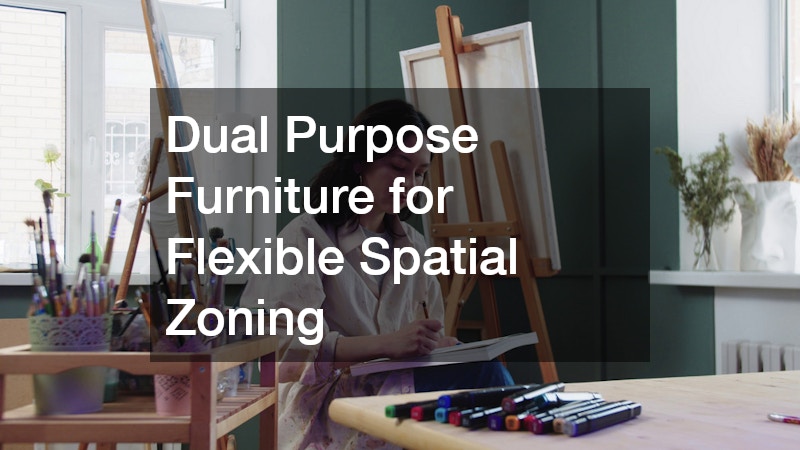
If your studio must occasionally double as a guest room or a secondary relaxation space, every piece of furniture you choose must earn its place by performing multiple functions. The challenge is introducing hospitality elements without sacrificing the professional utility of the room.
Incorporating a premium, high-density foam futon into your lounge zone offers the perfect solution for spatial flexibility. During the standard workweek, this piece serves as a comfortable, streamlined sofa where you can sit with a tablet to sketch out design ideas, read reference books, or review business plans away from your active desk.
When out-of-town guests arrive, the frame effortlessly transitions into a supportive bed, converting your high-octane creative engine room into a welcoming, private guest suite at a moment’s notice.
8. Architectural Material Curation and Visual Cohesion
To ensure your studio feels like an upscale sanctuary rather than a cold garage or a messy basement, the interior design must be approached with the same sophistication you would apply to a main living area. The materials you select should communicate a sense of permanence, quality, and deliberate style.
Integrating selected pieces of luxury furniture throughout the room anchors the space and elevates the entire design aesthetic. Think of a custom-upholstered leather ergonomic task chair that saves your back during ten-hour shifts, or a minimalist architectural credenza made from solid walnut that conceals your printer and digital hardware.
By mixing these refined, premium elements with your utilitarian workstations, you create a sophisticated visual tension that makes the room feel incredibly professional, inspiring, and deeply rewarding to spend time in.
9. Environmental Optimization and Biological Health
Spending long, uninterrupted stretches of time inside a closed creative studio can take a silent toll on your physical well-being if you ignore the biological realities of indoor environments. Fine dust from cutting fabrics, chemical vapors from specialized adhesives, and prolonged sitting all threaten your physical vitality.
Maintaining clean, well-circulated air is essential for keeping your lungs healthy and ensuring your skin remains clear and vibrant despite your exposure to various texturing agents and materials. Install a medical-grade air purification system featuring a true HEPA filter and an activated carbon layer to continuously scrub the air of fine airborne particulates and volatile organic compounds.
Additionally, incorporate a source of gentle, indirect humidity control to prevent the indoor atmosphere from drying out your eyes and mucous membranes during long winter working sessions.
10. The Psychological Architecture of Creative Resilience

The ultimate success of a home studio is not measured solely by its square footage or the price tag of its equipment. Instead, its true value lies in how effectively the space supports your psychological state, emotional stability, and overall mental stamina over time.
Designing a workspace that incorporates soft color palettes, natural materials, and view optimization is a direct investment in your emotional intelligence and cognitive health. A balanced, clutter-free environment actively reduces the production of cortisol, the body’s primary stress hormone, allowing you to approach complex design challenges with patience, clarity, and heightened self-awareness.
When your physical surroundings feel fundamentally grounded, organized, and serene, you possess the mental buffer necessary to navigate creative frustrations and sustain your artistic momentum for the long haul.
Transforming an underutilized area of your property into a premium, multi-layered creative sanctuary is a deeply rewarding home improvement journey. By systematically addressing structural integrity, technical craft requirements, digital layout needs, and environmental health, you create a space that does far more than store your tools. You build a custom engine for personal and professional growth.
As you embark on your own studio layout, remember that the most successful designs are the ones that honor both the physical practicalities of creation and the emotional needs of the creator. Take the time to map your floor plans carefully, invest in high-quality structural elements early on, and curate an environment that respects your workflow. In doing so, you will create a beautiful, flexible home destination that supports your passions and inspires your very best work for years to come.
The true measure of a perfectly executed home studio lies in its ability to age gracefully alongside your evolving passions and career trajectories. As your projects scale, your physical layout must possess the inherent flexibility to adapt without requiring another full-scale demolition. By investing in modular storage, robust electrical systems, and structural bones that prioritize comfort and isolation, you are essentially future-proofing your home against the changing landscape of modern work and leisure. This intentional approach to residential design transforms your property from a mere living space into a dynamic incubator for innovation.
Ultimately, the process of building this sanctuary is an act of profound self-investment. It signals a commitment to honoring your talents, respecting your daily workflow, and protecting your cognitive well-being from the chaotic friction of a disorganized life. When you cross the threshold into a room that has been meticulously tailored to your unique psychological and physical needs, the external noise of the world instantly fades away. You are left with nothing but pure potential.
Let your new studio be a testament to what happens when thoughtful architecture meets creative ambition. Start drafting your floor plans today, execute your structural updates with uncompromising precision, and watch as your physical environment unlocks levels of productivity and artistic fulfillment you never thought possible. Your dream workspace is not just a luxury; it is the vital foundation upon which your next great chapter will be written.