Planning a wedding, milestone birthday, or family reunion can feel overwhelming once you start thinking beyond the guest list and the cake. The real challenge lies in the logistics: where people will sit, how they will get around, what they will eat, and whether they will be comfortable enough to actually enjoy themselves. A little foresight in these areas can turn a stressful event into one that guests talk about for years. This guide walks through the practical decisions that make the biggest difference in how a celebration actually feels on the day.
Choosing the Right Venue for Your Celebration
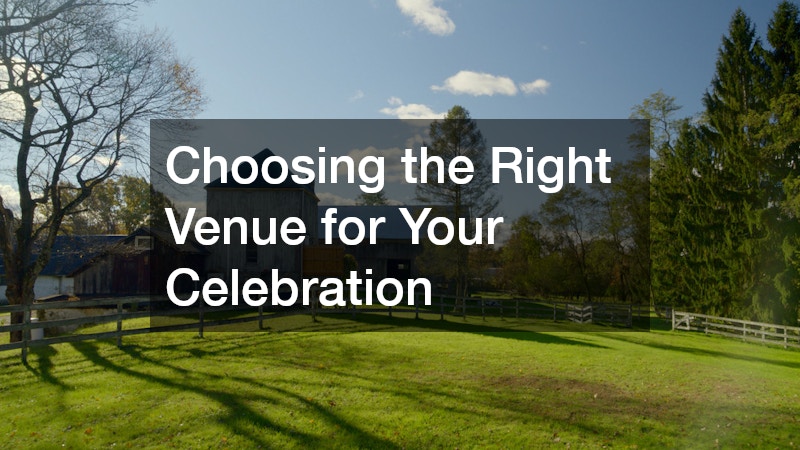
The venue sets the tone for everything else, from the guest experience to the logistics you will need to manage. Many hosts are drawn to rustic charm and increasingly turn to barn wedding services for their blend of character and flexibility, especially when they want an indoor-outdoor flow. Others prefer the structure and convenience of established banquet facilities, which typically come with tables, chairs, and staff already built into the package. Think about your guest count, the season, and how much setup work you are willing to take on before locking in a location.
Beyond aesthetics, consider practical questions like parking capacity, restroom access, and how close the site is for elderly or mobility-limited guests. A venue that looks beautiful in photos but lacks basic infrastructure can create headaches on the actual day. Visit any potential site in person and walk through your event timeline mentally before signing a contract.
- Ask about backup indoor space in case of bad weather
- Confirm what is included versus what you must rent separately
- Check noise ordinances or curfews if hosting late into the evening
- Verify accessibility for guests with mobility needs
Planning for Weather and Outdoor Space
Outdoor celebrations bring undeniable charm, but they also introduce variables that indoor venues simply do not have. Wind, sun, and unexpected rain can disrupt even the most carefully planned event, which is why many hosts work with local tent rental companies to create a reliable backup plan. A well-placed tent not only protects against weather but also adds shade during hot afternoons and defines the event space visually.
When choosing a tent, size matters as much as style. A general rule of thumb is 12-15 square feet per guest for a seated dinner, more if you’re adding a dance floor, buffet tables, or a bar area. Sidewalls are worth considering too, since they can be rolled up for airflow on a mild day or closed completely if wind and rain move in unexpectedly.
It’s also wise to ask rental companies about flooring options, lighting packages, and heating or cooling add-ons, since these details can make a bigger comfort difference than the tent itself. Ground conditions matter: a sloped or muddy yard may need leveling or a subfloor before setup, which some companies handle and others don’t.
Reserving one early is important, since good rental companies book up quickly during peak wedding and party seasons, sometimes six to twelve months in advance. Booking early also gives you more flexibility to adjust size or style if your guest list changes closer to the date.
When comparing tent options, think about size relative to your guest count, flooring needs, and whether you want sidewalls for extra weather protection. A general rule of thumb is 12-15 square feet per seated guest, or closer to 8-10 square feet if most people will be mingling standing up. Flooring matters more than people expect: a simple subfloor or interlocking tiles can save an event on soggy grass and also make things easier for anyone using a wheelchair, walker, or stroller.
Lighting and heating add-ons can also extend usability into evening hours or cooler months. String lights, lanterns, or draped bistro bulbs create ambiance while patio heaters or propane furnaces keep guests comfortable once temperatures drop below 60°F. If you’re expecting wind, ask your rental company about staking versus weighted bases, since some venues won’t allow ground stakes.
A tent should feel like an intentional part of the design rather than an afterthought bolted on at the last minute. Coordinating its color, shape, and placement with the rest of your décor helps it read as a deliberate design choice rather than a rain contingency plan.
Capturing the Memories
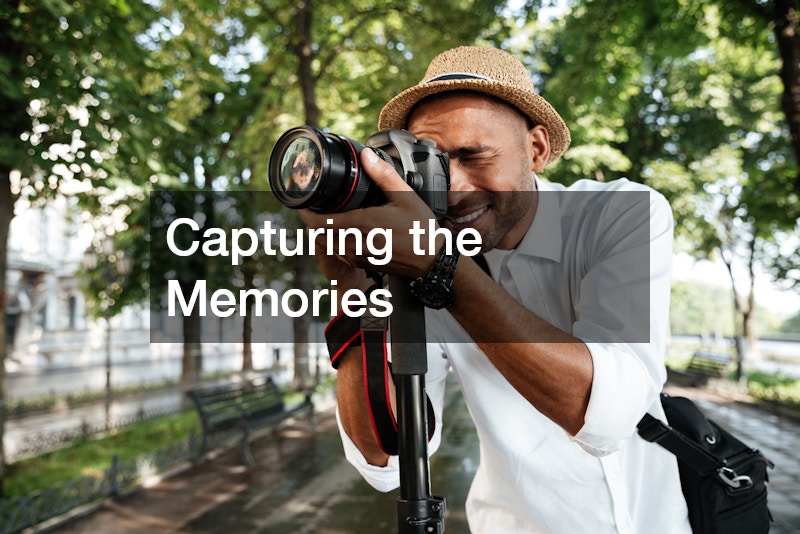
No matter how well an event runs, the memories mostly live on through photos afterward. Hiring an experienced wedding photographer ensures that candid moments, family portraits, and small details are documented without you having to think about it during the celebration itself. Plan for at least six to eight hours of coverage for a full-day celebration, since rushing the timeline often means missing key moments like the first dance or late-night send-off.
Look for someone whose portfolio matches the mood you want, whether that is bright and airy, moody and cinematic, or classic and timeless. Ask to see full galleries from at least two or three complete events rather than just curated highlight reels, since this gives a truer sense of their consistency across lighting conditions and unscripted moments.
Meeting in person or over video call beforehand helps confirm that their style and personality fit your vision. Use this conversation to clarify practical details too: how many editors will touch your images, what the turnaround time for final galleries looks like, and whether a second shooter is included for larger guest lists. Getting these specifics in writing, along with backup plans for illness or equipment failure, protects you from surprises when the day finally arrives.
It also helps to give your photographer a rough shot list and timeline in advance so they can plan for key moments like toasts, first dances, or cake cutting. A simple hour-by-hour outline—arrival at 4 PM, ceremony at 5, family portraits at 5:45, reception entrance at 6:30—gives them a framework to work around without feeling scripted. Good communication upfront reduces missed shots and awkward posing later, and it also helps them anticipate lighting changes as the event moves from outdoor to indoor spaces.
It’s worth naming five or six must-have shots explicitly, such as grandparents together, the ring exchange, or a specific group of old friends, since photographers can’t know who matters most to you without being told. Many photographers also offer engagement or portrait sessions beforehand, which can be a nice way to build rapport before the big day. These sessions often reveal a couple’s comfort level in front of the camera, letting the photographer adjust their approach—more candid and relaxed versus more directed and posed—for smoother results on the actual day.
The Proposal and Ring Shopping
For many celebrations, the story actually begins months earlier with the proposal itself. Shopping for custom engagement rings allows couples or partners to create something that reflects personal style rather than settling for an off-the-shelf design. Custom work typically involves choosing a stone, metal, and setting style, then working with a jeweler to bring the vision to life. This process takes time, so starting early avoids a last-minute rush before a planned proposal date.
Visiting a reputable jewelry store in person, rather than relying solely on online options, allows for closer inspection of stone quality and craftsmanship. Staff can also offer guidance on sizing, metal durability, and care instructions that are easy to miss when shopping remotely. Many stores offer resizing or warranty services after purchase, which is worth asking about before committing.
- Ask about certification for diamonds or gemstones
- Compare metal options for durability and skin sensitivity
- Request a written appraisal for insurance purposes
- Inquire about resizing policies after the ring is finished
Feeding Your Guests
Food is often the single most memorable part of any gathering, and getting it right requires thinking about variety, dietary needs, and timing. Some hosts choose to cater through the venue, while others prefer partnering with local family restaurants that can provide comfort food in larger quantities at a reasonable price. Family-style service tends to work well for casual celebrations, encouraging guests to mingle and share rather than sit through a formal plated meal. Always confirm allergy accommodations ahead of time so no guest feels left out.
Timing the meal service around your event schedule matters just as much as the menu itself. Serving food too early can leave a long lull before dancing or speeches, while serving too late risks hungry, restless guests. A simple run-through with your caterer or restaurant contact the week before helps iron out any timing issues.
Morning After Gatherings
Celebrations do not always end when the main event wraps up, especially for multi-day weddings or family reunions with out-of-town guests. Planning a casual send-off meal at one of the local breakfast restaurants near your venue gives everyone a relaxed way to say goodbye before heading home. It also gives out-of-town guests something to look forward to after a late night, rather than scrambling to find food on their own. Reserving a group table or private room in advance prevents long waits, especially on weekend mornings.
When choosing a spot, consider proximity to hotels where guests are staying, since not everyone will want to drive far the morning after a long celebration. A relaxed, low-key setting tends to work better than anything too formal at this stage of the weekend. It is a small gesture that leaves a lasting impression of hospitality.
Getting Guests Around the Property
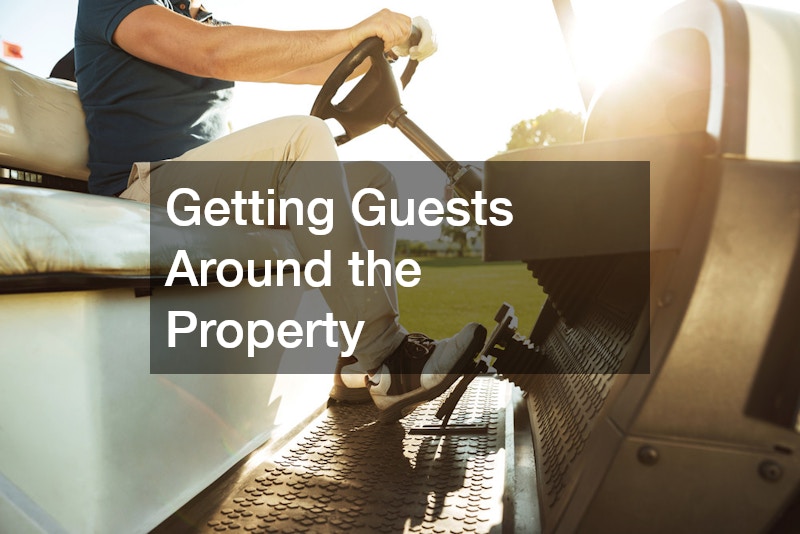
Large venues, especially rural or multi-acre properties, can be difficult for guests to navigate on foot, particularly those in dress shoes or with mobility concerns. Renting local golf carts is a practical solution for shuttling guests between parking areas, ceremony sites, and reception spaces without requiring everyone to walk long distances. This is especially useful for elderly relatives or guests carrying gifts and belongings. Assigning a designated driver or staff member to operate the carts keeps the process organized and safe.
Beyond convenience, golf carts can also add a fun, casual element to the event, particularly for photos or transporting the couple between locations. Just be sure to check with your venue about any restrictions on cart use over certain terrain or landscaping. Booking early is wise, since availability can be limited during busy event seasons.
Cleanup and Waste Management
Cleanup is rarely the fun part of planning, but it is one of the most important logistical pieces to sort out ahead of time. For larger events, arranging a dumpster rental ensures that trash from décor, food service, and general guest use does not pile up or overwhelm the venue’s standard trash bins. This is particularly important for multi-day events or celebrations held on private property without regular waste pickup. Confirm placement location with your venue in advance so it stays out of sight but easily accessible for staff and vendors.
Talk to your rental provider about size options based on expected guest count and event length, since underestimating capacity is a common mistake. Some providers also offer recycling separation, which is worth considering for environmentally conscious hosts. Scheduling pickup for the day after the event, rather than immediately following, gives cleanup crews enough time to work without rushing.
Prioritizing Overall Guest Comfort
Even with great food, photos, and transportation sorted out, guest comfort often comes down to smaller details that are easy to overlook. Seating arrangements, shade or heating, and clear signage all contribute to how relaxed people feel throughout the event. Providing a few quiet spaces away from music and crowds gives guests, especially older relatives or families with young children, somewhere to rest. Small touches like water stations, sunscreen baskets, or blankets for cooler evenings show thoughtfulness without adding significant cost.
It also helps to think through the guest experience chronologically, from the moment they arrive to the moment they leave. Walking through the timeline as if you were a guest yourself often reveals gaps that are easy to miss when focused on the bigger logistical pieces. These details are usually what guests remember most, even more than the decor or menu choices.
- Provide clear signage for parking, restrooms, and event areas
- Offer seating options for guests who may tire easily
- Set up shaded or covered areas for outdoor events
- Keep a small first aid kit on hand for minor issues
Hosting a memorable celebration comes down to balancing the big logistical decisions with the smaller comfort details that guests actually notice. From venue selection to transportation, food, and cleanup, every choice contributes to how smoothly the day unfolds. Start planning early, ask plenty of questions of any vendor or venue you consider, and walk through the guest experience from start to finish. With the right preparation, you can focus less on logistics and more on actually enjoying the celebration yourself.