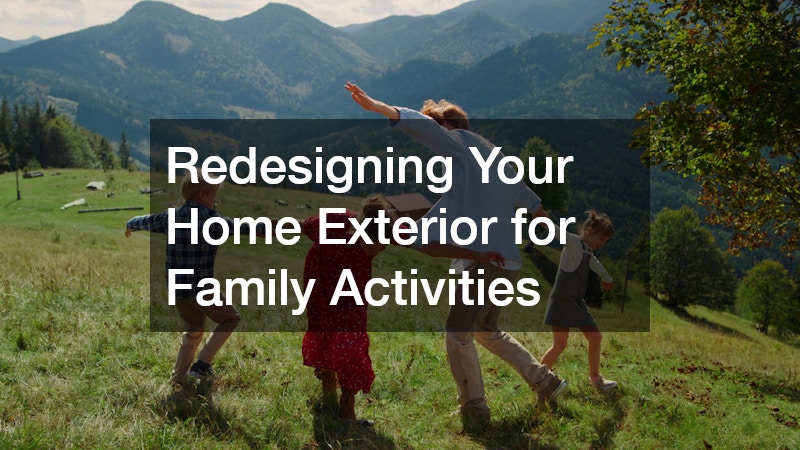
For many homeowners, the backyard was once just a patch of grass that required mowing on Saturdays. However, the modern home has undergone a fundamental shift. We no longer view our outdoor spaces as mere “curb appeal” or a buffer between us and the neighbors; we view them as essential living quarters. A well-redesigned exterior acts as a pressure valve for the home, providing a place for children to burn off energy, for parents to decompress, and for the entire family to reconnect away from glowing screens.
Redesigning for family activities requires a different philosophy than traditional landscaping. It isn’t just about what looks pretty from the street; it’s about durability, safety, sightlines, and multi-generational functionality. Whether you are dealing with a sprawling acreage or a compact urban lot, the goal is to maximize every square inch to support the way your family actually lives.
Safety and Sightlines
Before you pick out patio furniture or plant a single hydrangea, you must address the “bones” of the property. For families with young children or pets, safety is the primary directive. A backyard that looks like a magazine cover but contains hidden hazards is a source of stress, not relaxation.
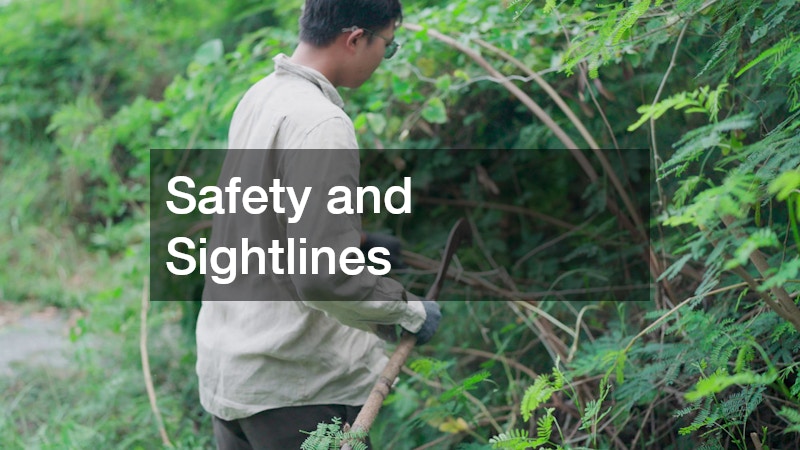
Start by performing a thorough audit of your vertical and horizontal spaces. Dead or overhanging branches can pose a significant risk during summer storms or high winds. Engaging professional tree services is a critical first step to ensure the canopy above your play areas is structural sound and free of rot. Similarly, the ground itself often holds hidden dangers. Overgrown thickets, old stumps, and accumulated debris are magnets for pests and tripping hazards. Comprehensive yard cleanups allow you to see the true topography of your land, giving you a literal clean slate to begin your design.
Key Safety Considerations:
- The Kitchen Window Rule: Design your primary play zones so they are visible from the most-used interior rooms. If you can’t see the sandbox from the kitchen sink, you’ll find yourself constantly running outside to check on the kids.
- Soft Landings: Ensure that areas under swings or climbing frames are graded properly and filled with impact-absorbing materials.
- Poisonous Plant Check: Research your existing flora. Many common ornamental plants are toxic if ingested by curious toddlers or puppies.
Durable Gathering Spots
Once the land is cleared and safe, it’s time to build the “flooring” of your outdoor home. Hardscaping is the backbone of family activity; it provides the level ground needed for dining tables, lounge chairs, and heavy foot traffic. Unlike grass, which can become a muddy mess after a rainstorm, a well-engineered stone or paver surface is ready for use within minutes of the sun coming out.
When selecting materials, think about the “barefoot factor.” Some natural stones become incredibly hot in the direct sun, while others can be slippery when wet. Consulting with reputable paver patio companies can help you choose materials that stay cool and provide enough grip for running children. The layout should also account for “flow”—ensuring there is enough space to walk around the dining table even when chairs are occupied.
Benefits of Professional Hardscaping:
- Permeability: Modern hardscaping techniques allow water to filter back into the ground, preventing the “lake effect” in your yard.
- Longevity: Unlike wood decks that require staining, high-quality stone lasts for generations with minimal upkeep.
- Zoning: Use different stone patterns or textures to subtly define the “adult lounge” from the “kid’s craft area.”
The Multi-Functional Deck
If your back door sits several feet above ground level, a deck is often the most logical transition. For families, the deck serves as the bridge between the controlled environment of the indoors and the wilder elements of the yard. It is the stage for birthday parties, morning coffees, and sunset dinners.
Expert deck builders can help you design a space that incorporates “built-ins,” which are a lifesaver for busy parents. Imagine a perimeter bench that opens up to store soccer balls, gardening tools, and outdoor cushions. By integrating storage into the structure, you eliminate the clutter that often makes a backyard feel chaotic. Furthermore, consider a multi-level design: an upper deck for dining and a lower platform for a hot tub or a telescope station for stargazing.
Tips for a Kid-Friendly Deck:
- Gate Integration: If you have toddlers, have your builder install a gate that matches the railing system for a seamless, secure barrier.
- Railing Spacing: Ensure balusters are spaced according to modern safety codes to prevent small heads from getting stuck.
- Material Choice: Capped composite decking is often preferred for families because it won’t splinter, meaning fewer “first-aid” moments during playtime.
Creating All-Season Comfort
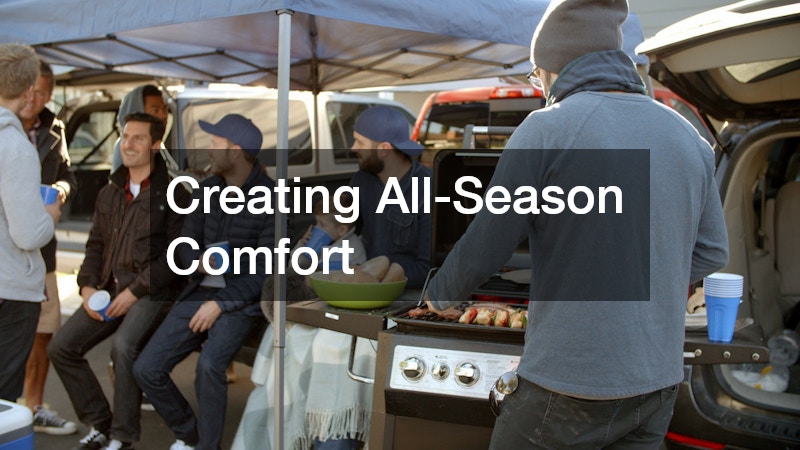
The biggest enemy of family outdoor time is the elements. Too much sun leads to sunburns and cranky kids; a light drizzle cancels the planned picnic. To truly redesign your exterior for activity, you must provide a reprieve from the weather.
Permanent structures like pergolas are beautiful, but for true versatility, many families opt for high-quality awnings. These allow you to enjoy the full sun when you want it and instant shade when the UV index peaks. Beyond sun protection, these covers can keep your patio furniture dry during a passing shower, meaning you don’t have to rush outside to bring in the cushions every time a cloud appears.
Creating a Micro-Climate:
- Strategic Planting: Use tall, leafy trees on the western side of your property to provide “nature’s AC” during the hottest part of the afternoon.
- Misting Systems: For families in desert or humid climates, an integrated mister can drop the temperature of a covered porch by 10 to 15 degrees.
- Outdoor Heaters: Don’t pack it in just because it’s October. Wall-mounted infrared heaters can extend your patio season by two or three months.
Defining Boundaries
A family yard should feel like a sanctuary—a place where you can relax without feeling like you’re on display for the neighborhood. It also needs to be a secure perimeter that keeps children and pets inside while discouraging unwanted guests.
Professional fence installations provide more than just a boundary; they offer peace of mind. For families with dogs, a solid fence prevents “fence barking” and ensures the dog doesn’t bolt after a stray squirrel. For parents, it means you can let the kids play outside while you start dinner, knowing they are contained in a safe environment. When choosing a style, consider how it interacts with your landscaping; a white picket fence offers a classic look, while a horizontal cedar fence provides a modern, spa-like feel.
Choosing the Right Fence for Your Needs:
- Solid Privacy: Best for homes close to busy streets or noisy neighbors.
- Split-Rail or Chain Link: Better for preserving a view while still providing a physical boundary.
- Privacy Screens: If a full fence isn’t in the budget, use “living walls” or lattice panels to block specific sightlines.
The “Living” Play Surface
While hard surfaces are great for dining, a family yard needs the softness of nature. Softscaping refers to the living elements of your design—the grass, the flowers, and the shrubs. However, a family yard shouldn’t be filled with delicate “look but don’t touch” rose bushes. It needs “working” plants.
A professional landscaping service can help you select turf varieties that are bred for high traffic and resilience. They can also design “sensory gardens” where children can touch soft lamb’s ear plants, smell lavender, and watch butterflies gravitate toward milkweed. This turns the yard into a living classroom where kids can learn about biology and ecology through direct interaction.
Low-Maintenance Landscape Ideas:
- Native Plants: These require less water and fewer pesticides, making the yard safer for children to roll around in.
- Mulched Borders: Use deep mulch beds around the perimeter to reduce mowing time and provide a soft cushion for “off-track” play.
- Artificial Turf: For small yards or high-intensity play areas (like under a swing set), high-quality synthetic grass provides a mud-free, evergreen solution.
Lighting for Evening Ambiance and Safety
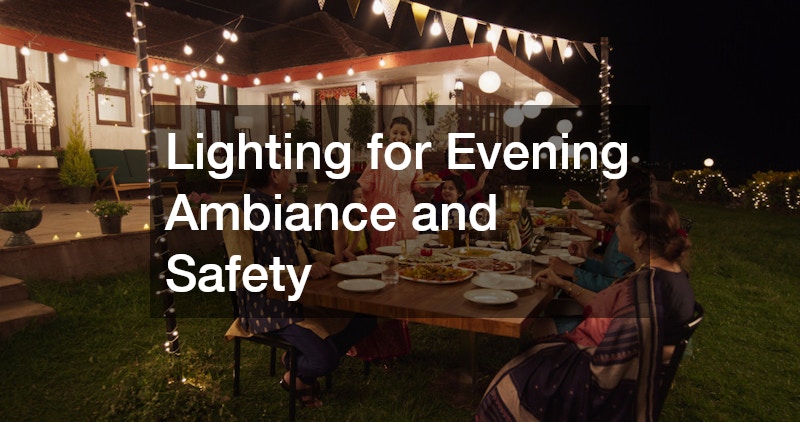
The fun shouldn’t have to end just because the sun goes down. In fact, some of the best family memories are made after dark—roasting marshmallows, telling stories, or playing a late-game of flashlight tag. Proper lighting is what makes these moments possible and safe.
Working with landscape lighting services allows you to move beyond the single, glaring floodlight above the garage. Instead, you can implement “layered” lighting. Task lighting illuminates the outdoor kitchen; ambient lighting glows from within the trees; and path lighting ensures that no one trips over a stray toy on the way back to the house. High-quality LED systems are energy-efficient and can be controlled via smartphone, allowing you to dim the lights for a movie night or brighten them for a backyard soccer match.
Lighting Techniques for Families:
- Downlighting: Mounting lights in trees to mimic moonlight, providing a soft glow over large areas.
- Step Lights: Recessed lights in deck stairs or stone walls to prevent falls.
- Smart Zones: The ability to turn off the “play zone” lights when it’s time for the kids to come in, while keeping the “lounge zone” lit for the adults.
The Modern Driveway
For many suburban families, the driveway is actually the primary “play plaza.” It’s where the basketball hoop lives, where the kids learn to ride bikes, and where the neighborhood kids gather for street hockey. If your driveway is cracked, crumbling, or dangerously sloped, it limits these activities.
A reputable asphalt paving company can transform a utilitarian driveway into a smooth, professional-grade surface. A fresh, level pour doesn’t just look better; it provides a much safer environment for wheels of all kinds—skateboards, scooters, and rollerblades. You can even have custom “game lines” painted directly onto the surface for a permanent half-court basketball setup.
Driveway Design for Families:
- Width Considerations: If space allows, a slightly wider driveway allows for car parking on one side and a clear “bike lane” on the other.
- Turnaround Space: A “hammerhead” or “T-shaped” driveway provides a safe place for kids to turn their bikes around without heading into the street.
- Drainage: Ensure the pitch of the driveway carries water away from the garage and play areas to prevent ice patches in the winter.
Specialized Activity Zones
To make your yard a true destination, consider adding one or two specialized zones that cater to your family’s specific hobbies. This is where you move from “standard yard” to “family resort.”
- The Fire Pit Circle: Whether it’s a built-in stone fire pit or a portable steel bowl, a fire source is a natural gathering point. Surround it with Adirondack chairs or a circular stone bench to create a “digital-free zone” where the family can talk and relax.
- The Outdoor Kitchen: For families that love to entertain, a grill station with a small fridge and sink means the cook doesn’t have to be isolated in the house while everyone else is in the pool.
- The Homework Nook: A quiet, shaded corner with a small table and comfortable seating can be the perfect place for teenagers to study or for parents to get some remote work done in the fresh air.
- The “Secret” Garden: A small path leading to a hidden bench or a hammock can provide a much-needed escape for anyone in the family who needs ten minutes of quiet.
Protecting Your Investment
A 3000-word discussion on redesigning the exterior would be incomplete without addressing the “M-word”: Maintenance. A family yard is a high-use environment, and it will take a beating. The key is to design for “low friction” upkeep.
Choosing materials that require less work means more time playing and less time power-washing. This includes choosing composite decking over wood, using native plants that don’t need constant pruning, and investing in a high-quality irrigation system. It also means having a “seasonal rhythm.” Every spring and fall, a quick check of your structures, a refresh of mulch, and a professional inspection of your large trees will prevent small issues from becoming expensive repairs.
Redesigning your home exterior is an investment in your family’s daily happiness. It’s about creating a space where the boundaries between “inside” and “outside” blur, and where nature becomes a constant companion to your family’s growth. By focusing on durable hardscaping, safe play zones, and comfortable gathering spots, you turn your property into a sanctuary that serves everyone from the youngest child to the oldest guest.
The process doesn’t have to happen all at once. Many families find success in a “phased” approach—starting with the essential safety and clearing work, then building the primary patio, and finally adding the specialized zones like fire pits or lighting systems. Regardless of your budget or the size of your lot, the result of a thoughtful redesign is the same: a home that feels twice as big and a family that feels much more connected.