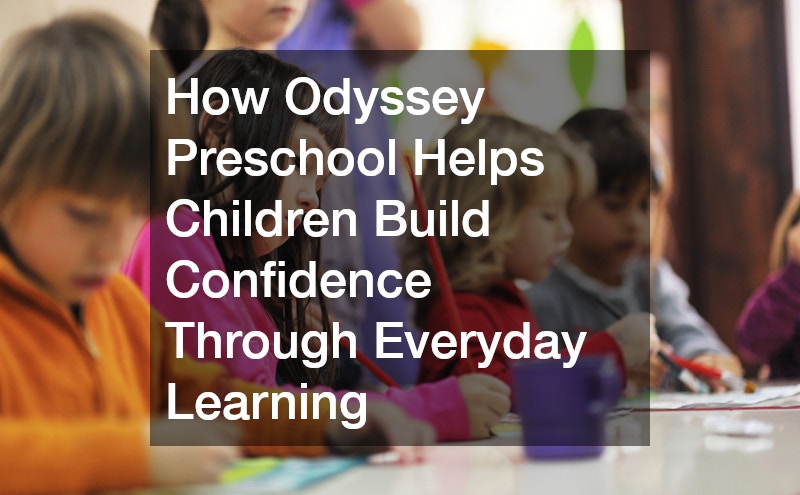
The early years of childhood shape more than academic readiness. They also influence how children view themselves, how they respond to new situations, and how comfortable they feel exploring the world around them. Confidence does not usually appear all at once. It develops gradually through small daily experiences that teach children they are capable, valued, and able to learn.
At Odyssey Preschool, that kind of confidence grows through everyday learning. Children build self-assurance when they make choices, solve simple problems, practice new skills, and experience success in a supportive environment.
These moments may seem small to adults, but for young children they create powerful building blocks for emotional growth.
Confidence matters because it supports curiosity, resilience, and independence. A child who believes they can try, learn, and improve is more likely to participate, ask questions, and stay engaged. Early learning environments play an important role in creating those opportunities. When children feel safe, encouraged, and understood, they become more willing to explore new challenges and trust their own abilities.
Why Confidence Matters in Early Childhood
Confidence in early childhood is closely connected to how children approach learning. A confident child may not always get everything right the first time, but they are more likely to keep trying. They often feel more comfortable joining activities, interacting with peers, and taking healthy risks in unfamiliar situations.
These early experiences shape habits that can continue into later school years. When children learn that effort leads to growth, they begin to develop persistence. They also become more comfortable with the idea that mistakes are part of learning rather than something to fear.
Confidence also affects social development. Children who feel secure in themselves often communicate more openly, participate more willingly, and adapt more smoothly to group settings. This does not mean every confident child becomes naturally outgoing. Rather, it means they develop a stronger internal sense of capability that helps them navigate new environments.
Learning Through Daily Routines
Everyday routines can be surprisingly powerful teachers. Arrival time, putting away belongings, washing hands, joining group activities, and cleaning up after play all give children opportunities to practice independence.
When children learn to manage small responsibilities, they begin to understand that their actions matter. Completing a simple task successfully can create a sense of pride. Over time, those repeated experiences strengthen self-belief.
Predictable routines also create emotional security. Children tend to feel more confident when they know what to expect. A consistent structure helps them understand transitions, prepare mentally for different parts of the day, and participate with greater comfort.
Adults sometimes focus mainly on larger milestones, but daily routines often provide the steady repetition that supports real growth.
Choice Builds Independence
Young children benefit when they are given meaningful choices. Choosing between activities, selecting materials, or deciding how to approach a project allows children to practice decision-making in age-appropriate ways.
Choice communicates trust. It tells children that their ideas matter and that they can make thoughtful decisions. This does not mean unlimited freedom or a lack of structure. Instead, it means offering guided opportunities that allow children to exercise independence within clear boundaries.
Making choices also helps children develop ownership of their learning. When they choose how to engage with materials, they often become more invested in the process. That engagement can strengthen motivation and confidence because children experience themselves as active participants rather than passive observers.
Problem-Solving Creates Real Growth
One of the most valuable ways children build confidence is through problem-solving. When children encounter small challenges and work through them, they begin to understand that difficulties can be managed.
This may happen while building with blocks, figuring out how pieces fit together, resolving minor conflicts during play, or trying again after something does not work the first time. These moments help children develop patience, flexibility, and persistence.
At Odyssey Preschool, teachers can support this process by guiding rather than immediately solving every problem. Gentle questions, encouragement, and thoughtful prompts help children think through situations on their own. That balance is important. Children often gain the most confidence when they discover that they can find solutions with support rather than having every answer provided for them.
Over time, problem-solving experiences teach children an important lesson: challenges are not signs of failure. They are opportunities to learn.
Confidence Extends Beyond the Classroom
The confidence children build during early learning does not stay limited to one environment. It often carries into home life, family relationships, and future school experiences.
A child who learns to make choices may become more willing to help at home. A child who practices communication with peers may become more comfortable expressing needs with family members. A child who experiences success through persistence may approach new challenges with greater calm.
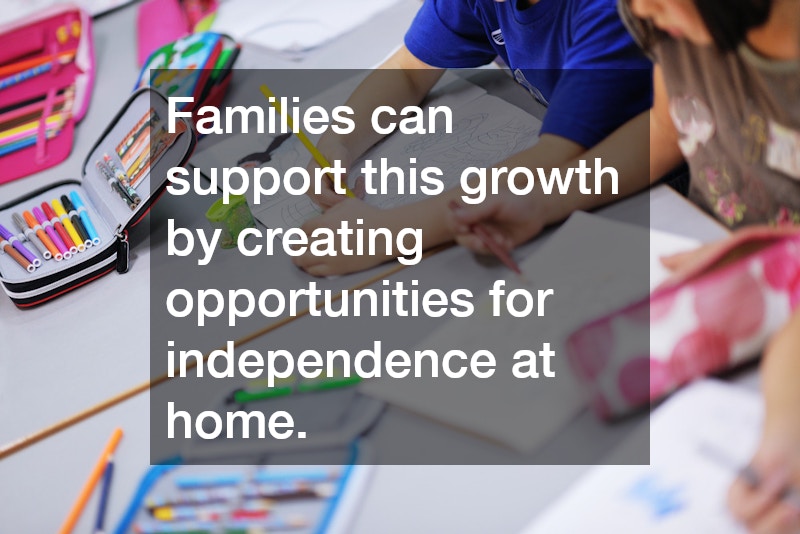
Families can support this growth by creating opportunities for independence at home. Simple responsibilities, patient encouragement, and space for problem-solving can reinforce what children experience during the day.
When home and learning environments both support confidence-building, children receive stronger and more consistent messages about their ability to grow.
Children build confidence through repetition, encouragement, and meaningful everyday experiences. Small moments—making choices, solving problems, completing routines, and participating in social interactions—can gradually shape how children see themselves as learners and as people.
At Odyssey Preschool, everyday learning can help children develop the self-assurance that supports curiosity, resilience, and independence. That confidence becomes more than a short-term classroom benefit. It becomes part of the foundation children carry with them as they continue learning, building relationships, and discovering what they can do.